
I hadn’t gone on TikTok for maybe a month, I decided to just watch one or two, and then the first thing that pops up is this:
The Bonus Army of 1932 is a forgotten piece of American history that symbolizes the corruption of our times. We sowed a harvest then that we are reaping today.
As usual, I will cite my sources (besides the TikTok) and convey the information I find. When I first saw this, I actually recoiled in disbelief. I couldn’t imagine that our government would do such a thing. But it fits. It is 100% consistent with the shameful behavior of the American government during my life time.
https://www.britannica.com/event/Bonus-Army
https://www.nps.gov/articles/the-1932-bonus-army.htm
https://www.thoughtco.com/bonus-army-march-4147568
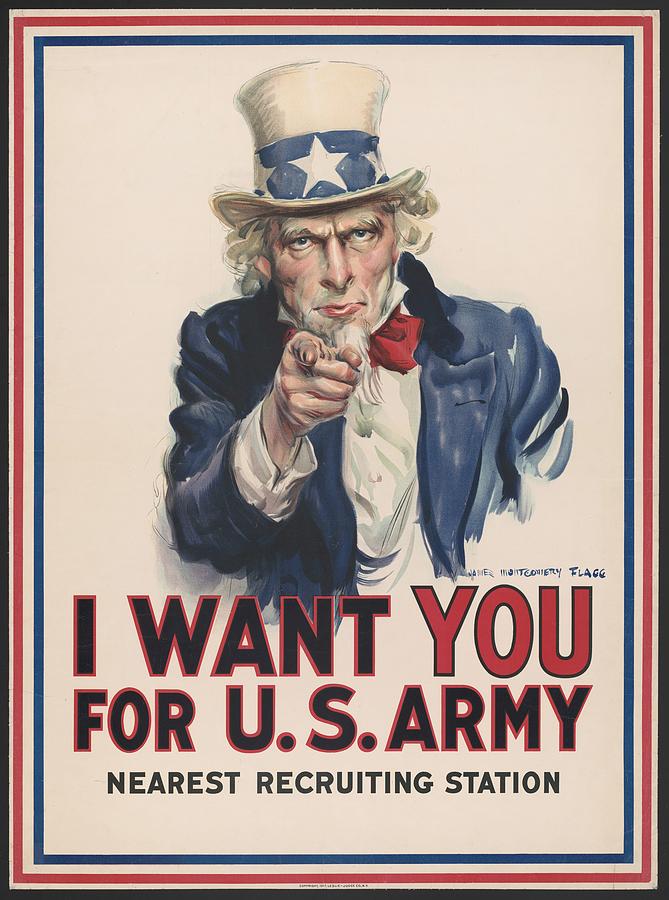
The Promise
The United State entered the war, as we had a tendency to do till the 1950s, completely unprepared. Our first century and a half the United States for the most part believed that standing armies were engines of oppression, and unless an official declaration of war was declared, an army served no purpose but to oppress the citizenry. This is a belief we were bequeathed from the Founding Fathers (who, admittedly, have fallen into disfavor in our more enlightened age).
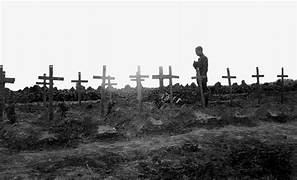
The war was the most horrible manmade calamity in history up to that point, and frankly, has only been surpassed in the time since by the Second World War. Census.gov states there were 116,708 American fatalities. https://www.census.gov/history/pdf/reperes112018.pdf
Those who went to war were paid, on average, $1.25 per day. I didn’t stutter. My father remembers when a dollar an hour was minimum wage. In his father’s day, a dollar a day was a living wage. The men (not to be sexist, but at that time the vast majority of military were men. Don’t blame me, I wasn’t around yet) who stayed home in America were making on average of….ten times as much. Not only were they not fairly compensated, they were shamefully underpaid.
In order to right this wrong (at least a little) Congress passed a law issuing a law in 1924 awarding the veterans a sort of promissory note, which could be worth anywhere from $600 to $1000, worth very roughly $17,000 in modern currency. https://www.in2013dollars.com/us/inflation/1924?amount=1000
All’s well that ends well, right?
The Pain
Sadly, while the law was initially received with gratitude by the troops, it turned out that the promise was mostly empty wind. The notes matured in 1945…meaning you would get it in 21 years. Your family could benefit from it if you died, but to many it seemed like they had been robbed. The odds were very high that few would ever receive this bonus. Still, these were patriots, and soldiers. If this was the justice their esteemed Congress meant to meet out, they would stand content like the good obedient servants they were.
Then the Great Depression hit.
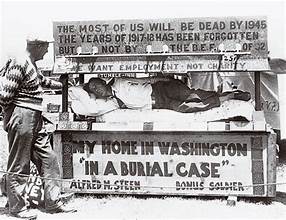
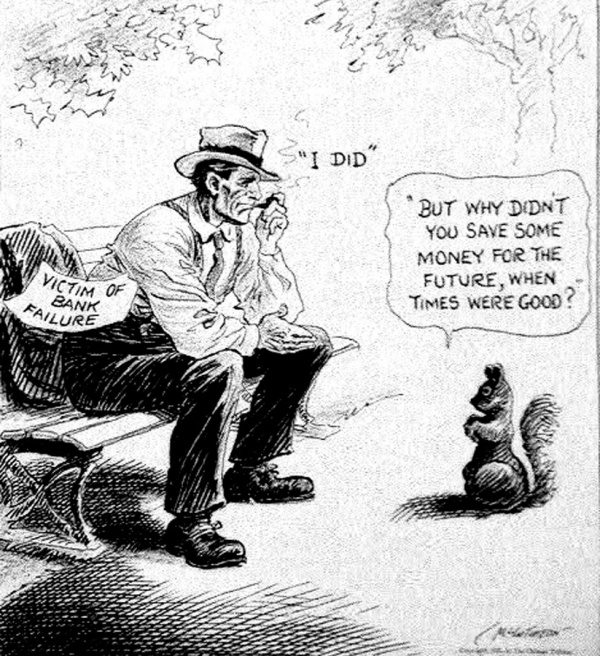
Times were hard on everyone, but for these soldiers, who had already lost as much as two years of wages to serve their country (from their perspective), they felt like they had been betrayed. The government was doling out millions to save the banks and the big industries (sound familiar?) but they would somehow have to survive till 1945. At that time life expectancy was 54. I don’t really know the math myself (nor would the average veteran at the time) but it would look to me like a large number of people would not survive to earn the benefit. And in those hard times, that prospect looked more and more bleak all the time. They had already beaten the odds by surviving the War. But how many times can you roll the dice before you lose?
The Bonus Army
Walter W. Waters was a sergeant in WWI, and he followed the news, hoping that Congress would do right by the soldiers. He agonized when Hoover vetoed the bill approving the bonuses. According to Thoughtco.com “On May 15, 1924, President Calvin Coolidge had, in fact, vetoed the bill providing for the bonuses stating, “Patriotism, bought and paid for, is not patriotism.” Congress, however, overrode his veto a few days later.”
NPS.gov shares “If the movement had an official beginning, it would have been in Portland, Oregon. 400 veterans had gathered there by May 17, 1932, under the leadership of a fellow veteran, Walter M. Waters. They began a long trek to Washington aboard a freight train, loaned to them for free by the rail authorities. After exiting the train in Iowa on May 18 they hitched rides and walked the rest of the way to Washington. Smaller splinter groups reached the capital on their own. By June 1, some 1,500 men, some with their families, were in Washington.”
And Britannica.com shares: “In an effort to force early lump-sum payment of these urgently needed benefits, the Bonus Army, sometimes called the “Bonus Expeditionary Force,” converged on the nation’s capital in the spring of 1932; they moved into abandoned shacks below the Capitol and set up shanties and tents along the Anacostia River. Despite inadequate housing, sanitation, and food, the movement’s leader, Walter W. Waters, managed to maintain order and to oust agitators.”
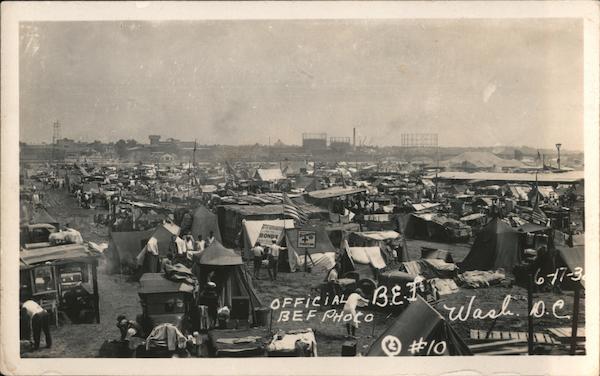
How did this story end. Stay tuned for more Tired Blogging and find out!

 Tired Midnight Blogger (What Blogs at Midnight)