youtube.com/clip/UgkxWJvfm8i59w4NTX2HfIMwH_vFnP2lhOJs
Do you think Trump was bought by the Russians? Is that any more or less likely that Biden stole the election? Russia is so easy to blame. Thanks US media!
Tired Midnight Blogger (What Blogs at Midnight)
Ranting about how messed up the world is, espcially Oklahoma.
youtube.com/clip/UgkxWJvfm8i59w4NTX2HfIMwH_vFnP2lhOJs
Do you think Trump was bought by the Russians? Is that any more or less likely that Biden stole the election? Russia is so easy to blame. Thanks US media!
youtube.com/clip/Ugkxgd8z65z0xSvRtjAw_DsxtBa84aMoF-05
Like the Lion King told Simba, sometimes to get the vision of the future, we need to remember our context. Washington didn’t win the Revolution, at least not alone. Sergeants and Minute Men starving in Valley Forge, that’s who won the Revolution
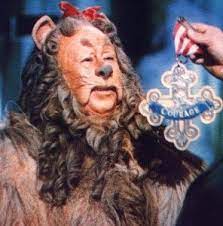
The quest for leadership continues. In this post, I mean to share how William Wallace encouraged the hearts of those around him. I intend to focus mainly on the film, but I will also have some comments on history itself, possibly throwing a few bones to other leaders of the time, namely Robert the Bruce, Princess Isabella, and maybe even Longshanks. I mean, you can’t help but admire a man with the ability to commit such great acts of defenestration! (Not to be confused with castration).
Robert the Bruce is talking to his father, trying to make sense of what he has just done. His father attempts to comfort him, as well as share the bitter wisdom he has acquired in the long years of politics. In history, this man was also known as Robert “The Bruce.” In the film, he is a wasted old leper. In history, he was the sixth Lord of Annandale, a veteran of multiple wars. You can read about the Sixth Lord of Annandale here:
https://www.undiscoveredscotland.co.uk/usbiography/b/robertbruce.html
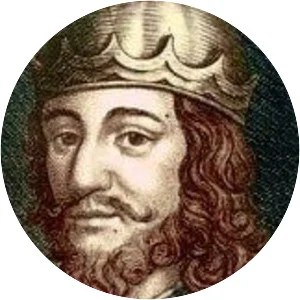
Ok….sorry for the rabbit hole. Anyhow, in the movie we are told by Robert VI that “All men betray. All men lose heart.” And I am afraid that, with the exception of Jesus and maybe a handful of others, this is absolute truth.
But I echo the anguished cry of the son in the movie. “I don’t want to lose heart. I want to believe. As he [William Wallace] does.”
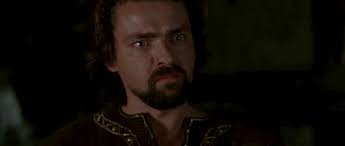
Getting back to the topic, there were three ways Wallace encouraged the Scots.
Let’s go into these practices in more detail.
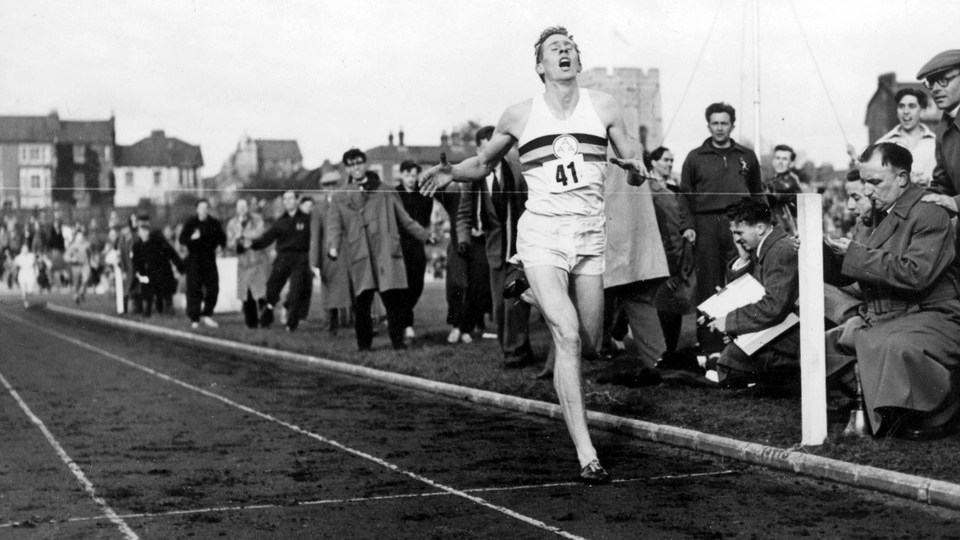
Often the reason leadership is necessary is simply that people don’t believe something can be done until someone else has accomplished it. “If people were meant to fly we’d have wings!” “If people were meant to run a four minute mile we’d have hooves.” Now these things are (relatively) common place.
In the film (and to a lesser extent in real life) William Wallace did what he could to take the fight to the English. He knew that if they rested on their laurels after their victory at Stirling the English would just come back with a bigger army and finish what they had started. In real life he basically just raided Northern England, in the movie he actually captures and sacks York. The Scotts who doubted there was any hope in fighting the English could point at what he did to erase doubt. If William can beat them, maybe we can as well.
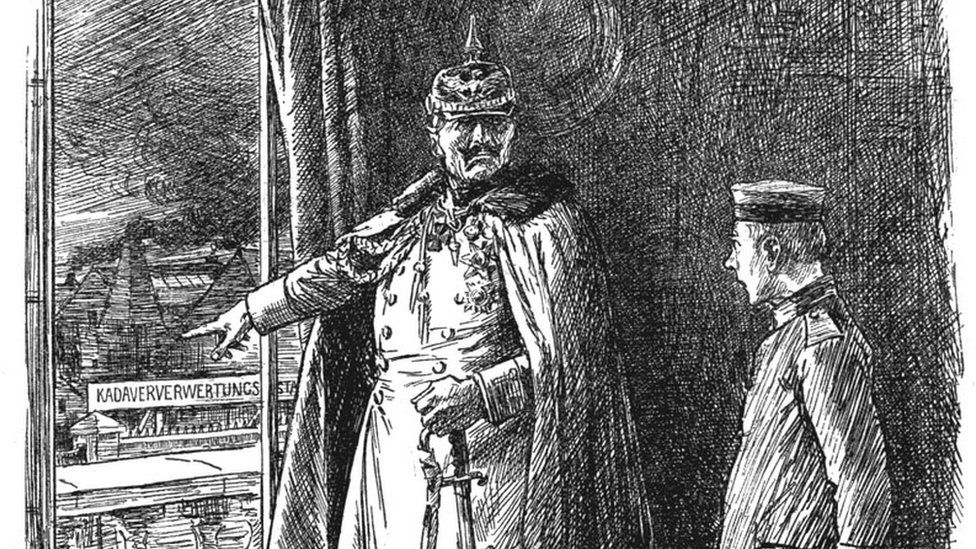
As I detailed in the last post, William taught Robert the Bruce what it meant to be a leader. That people follow courage and not titles (he left out the part about how they follow a winner and not a loser, but perhaps that goes without saying). He taught him to appeal to the hearts desires of his people, and not to try to sell them on mad schemes for his own greater glory. Maybe they needed the nobles, maybe they didn’t, but the person on the battle front had to believe this really was their fight, and that their lives were not being spent in vain.
On that note….Wallace, neither in the movie, nor in real life, ever gave up.

I fear I summed it up pretty well in the caption to the picture. Perhaps my rhetoric is not the best, but surely, if you do believe in and value personal liberties and freedoms, surely you see the point. Not just William, so many thousands have died, at Bannockburn, at Valley Forge, at Gettysburg, at Iwo Jima….the list would be longer than this blog if I merely posted the battles, let alone the names, of the thousands upon thousands who have died so that you could sit in comfort, reading my silly posts, and making fun of Mel Gibson because there were flaws in his film.
That’s all for this post. The next one will finish the series as I discuss how he not only inspired the Scots to act, but he inspired them to act on their own.
youtube.com/clip/Ugkx9DV1uF1fjiN15asVMGW4r57n56YWkrtp
This is why we need to learn about out past, to learn how our ancestors fought and won their freedom. The Oligarchy has no power to enslave us if we won’t bow down to their idols.
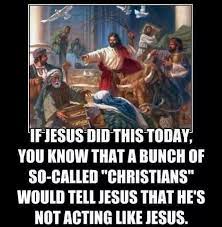
I think almost since I began thinking about leadership as a twelve-year-old, I’ve been told to “lead by example.” And I promise, that has always been my aim. So often, however, I fail. There are so many times when I do something that I would not want my son doing, or someone that works for me doing. I do what I would not have done to me. And while it seems like more and more that is the way of the world, I still recoil when I catch myself in this.
In the film Braveheart, William Wallace leads by example. Here are three instances:
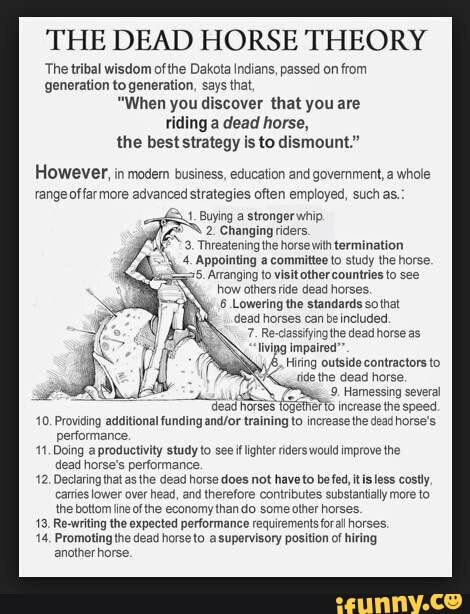
The contrast between William Wallace and Longshanks is striking. Longshanks (at least in the film) stays well back of the action. He may have broken a sweat from being in his armor, but he barely moved during the battle of Falkirk. He had rank upon rank of infantry, cavalry, and archers between himself and the Scots. Meanwhile, William Wallace leads his men in the charge. He is always in the thick of the fighting, leaving it only when he realizes victory was lost. Wallace breaks from the combat, and rides like fury to reach Longshanks in a desperate attempt to win by taking or killing the king, only to be delayed by a knight who is ordered to “protect the king.” That knight turns out to be Robert the Bruce.
The shock on Gibson’s face as he portrays the betrayal Wallace had to have felt is gut-wrenching. You can feel the pain as if it were Chris Rock being slapped by Will Smith.
Amazingly enough, William continues to show the way even after being betrayed by Robert the Bruce. Part of leading from the front (funny how many people preach that and how many hide behind a desk) is taking the same risks your people are facing. Often they are more willing to suffer “the slings and arrows of outrageous fortune” when you are suffering right next to the. And three times during the movie, Wallace takes risks with little backup. The first time is when he meets Princess Isabella. For all he knew she could have been setting a trap. In history, she later was known as the “she-wolf of France.” Possibly I’ll have more to say on that later, and I don’t wish to digress too much, as many have already pointed out, she would have been no more than ten when Wallace was executed, but for the purposes of good fiction I see no reason why she couldn’t have gone all “Zena Warrior Princess” on him and the two fight MMA style.
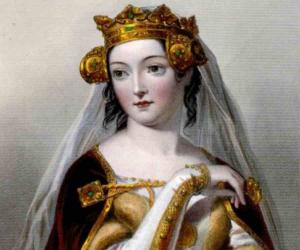
The second time he takes a risk is when he goes to a hut where the Princess is supposed to be to negotiate (side note….she’s a Princess….the best we can do is a hut? Oh well….budget cuts and all). But Wallace has been warned by the cagy Princess, and instead of being gutted (then) he burns the assassins alive. Then in a few scenes, he beds the Princess. I’ve gotta take notes from this guy.
The last risk he takes is fatal. He takes the Bruce at his word, and it leads to his execution. But as he tells his friends before leaving…”Ya know what happens if I don’t go? Nothing.” And we already established the status quo was valde inconveniens.
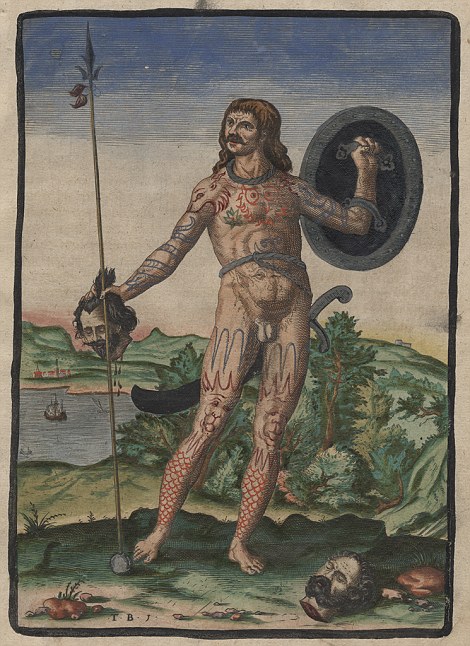
At least within the film, the risk Wallace took was not in vain. Robert did not intend to betray Wallace (again), instead it was that damned Menteith that did it. Wallace’s death inspires Robert to change his wicked ways, and he rallies the people to him, and wins the Scot’s their freedom.
My last point, Wallace shows the way by sharing, not just the fighting, but also the daily living of the men he commands. In the film he is not raised in a castle or keep, but on a Scottish farm built with peat, like his neighbors. He hunts, he eats with them around the camp fire. He is “one of the boys.” You can imagine sharing a tankard of ale with him as you talk about the last battle.

I’m getting too old to stay up this late. Next post: How the Beaten Scotts Found Courage (and They Didn’t Get it From Oz).
youtube.com/clip/Ugkxj9VnneKY0DBgSyfdyL99hFgqHyAhRaN0
We want to believe our governments are protecting us. But they aren’t
youtube.com/clip/Ugkx7HuPGy5OUtGqL5nLsSIzEx7-YuvFUR68
Consider this question. Is there an answer? If you have one, please share it.

 Tired Midnight Blogger (What Blogs at Midnight)